


kategória
szerző
cím
sorozat
betöltés...
kiadó
betöltés...
ISBN
évszám
ár
-
leírás
Előrendelhető
A mezők bármelyike illeszkedjen
A mezők mind illeszkedjen


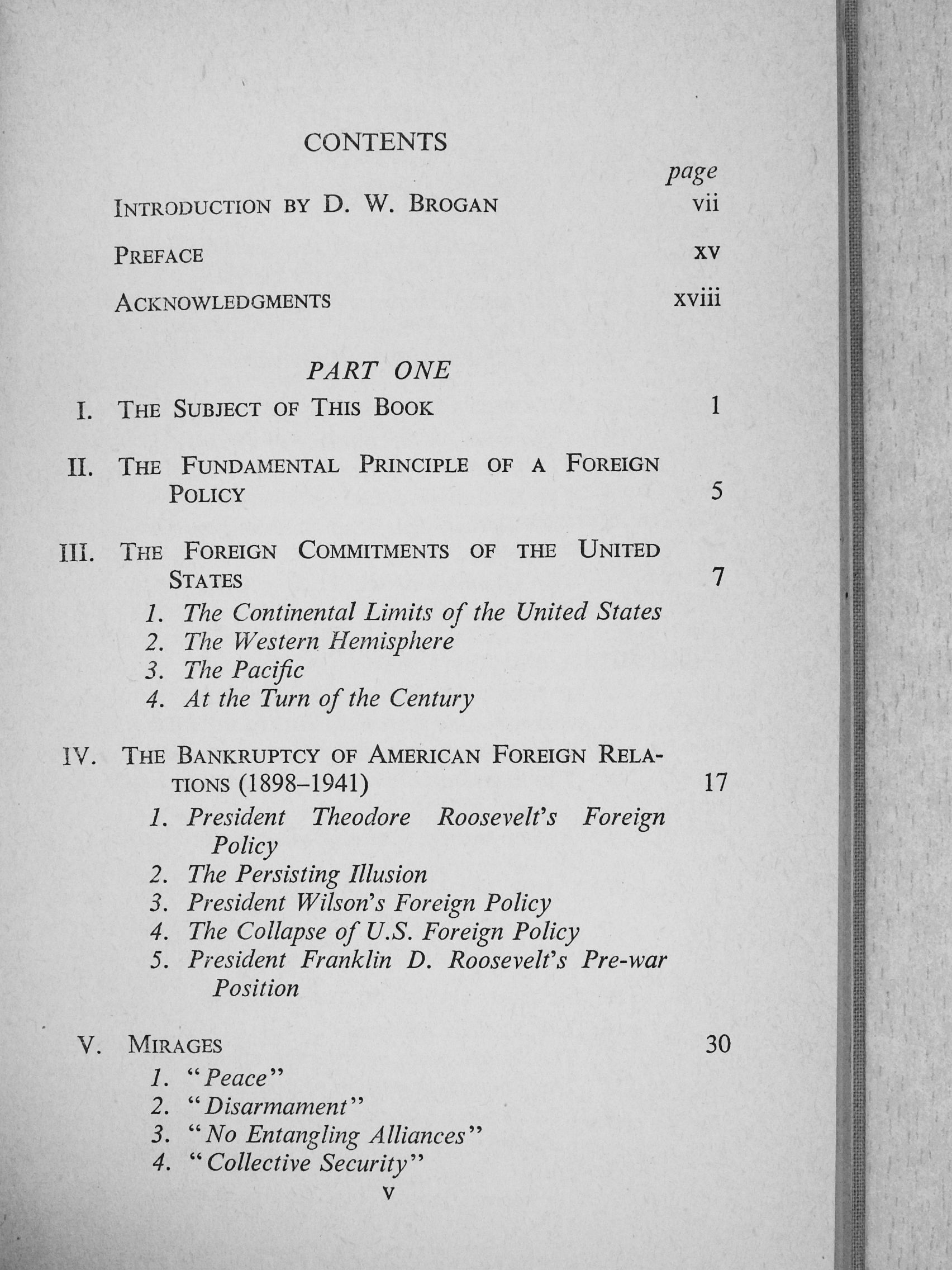

INTRODUCTION
There is an air of impertinence—and possibly more than an air—^in providing Mr. Lippmann with an introduction. For his excellent wine should need no bush. The only justification for this introduction is that Mr. Lippman's wine is American wine. It travels very well, but the English palate is not accustomed to savouring all its excellences. All I have attempted to do is to stress certain parts of Mr. Lippmann's argument that he did not need to stress in writing for his own countrymen, and to raise one or two points that he...
online ár:
Webáruházunkban a termékek mellett feltüntetett fekete színű online ár csak internetes megrendelés esetén érvényes.
6800 Ft

Részletesen erről a termékről
Bővebb ismertető
INTRODUCTION
There is an air of impertinence—and possibly more than an air—^in providing Mr. Lippmann with an introduction. For his excellent wine should need no bush. The only justification for this introduction is that Mr. Lippman's wine is American wine. It travels very well, but the English palate is not accustomed to savouring all its excellences. All I have attempted to do is to stress certain parts of Mr. Lippmann's argument that he did not need to stress in writing for his own countrymen, and to raise one or two points that he could take for granted in America but that cannot be taken for granted here.
His is a most timely tract for the times. It is directed to the urgent problem of American relations with the outside world and argues for close Anglo-American relations without once invoking Magna Charta, Shakespeare, the common law, or the common tongue. It is directed to converting the American people to the realization of the fact that there is an American problem, a problem that affects the United States and the rest of the world. That problem is the existence or the non-existence of an American foreign policy. A great many Americans do not think that the United States needs a foreign policy; she is far enough away from the warlike continents of Europe and Asia, strong enough, rich enough to do without one. Doing without a policy is, of course, a policy. It is a policy based on the premiss that American geographical isolation is stiU adequate and American strength sufficient for America to gaze on the warring continents from a position of material (and moral) superiority.
It is against the belief that America can go her own way and in the past has gone her own way and has attained her present position by going her own way most of the time, that Mr. Lippmann argues. In one sense he has an easy job. Many American illusions on this score do not bear the slightest examination. For example, the Monroe Doctrine would have been as ineffective as non-recognition of the Japanese seizure of Manchuria had the reactionary powers in Europe been in vii
Termékadatok
Cím: U. S. Foreign Policy [antikvár]
Szerző:
Walter Lippmann
Kiadó: Hamish Hamilton
Kötés: Vászon
Méret: 130 mm x 190 mm
Új vásárló vagyok!
új vásárlóval indíthatsz rendelést............