


kategória
szerző
cím
sorozat
betöltés...
kiadó
betöltés...
ISBN
évszám
ár
-
leírás
Előrendelhető
A mezők bármelyike illeszkedjen
A mezők mind illeszkedjen


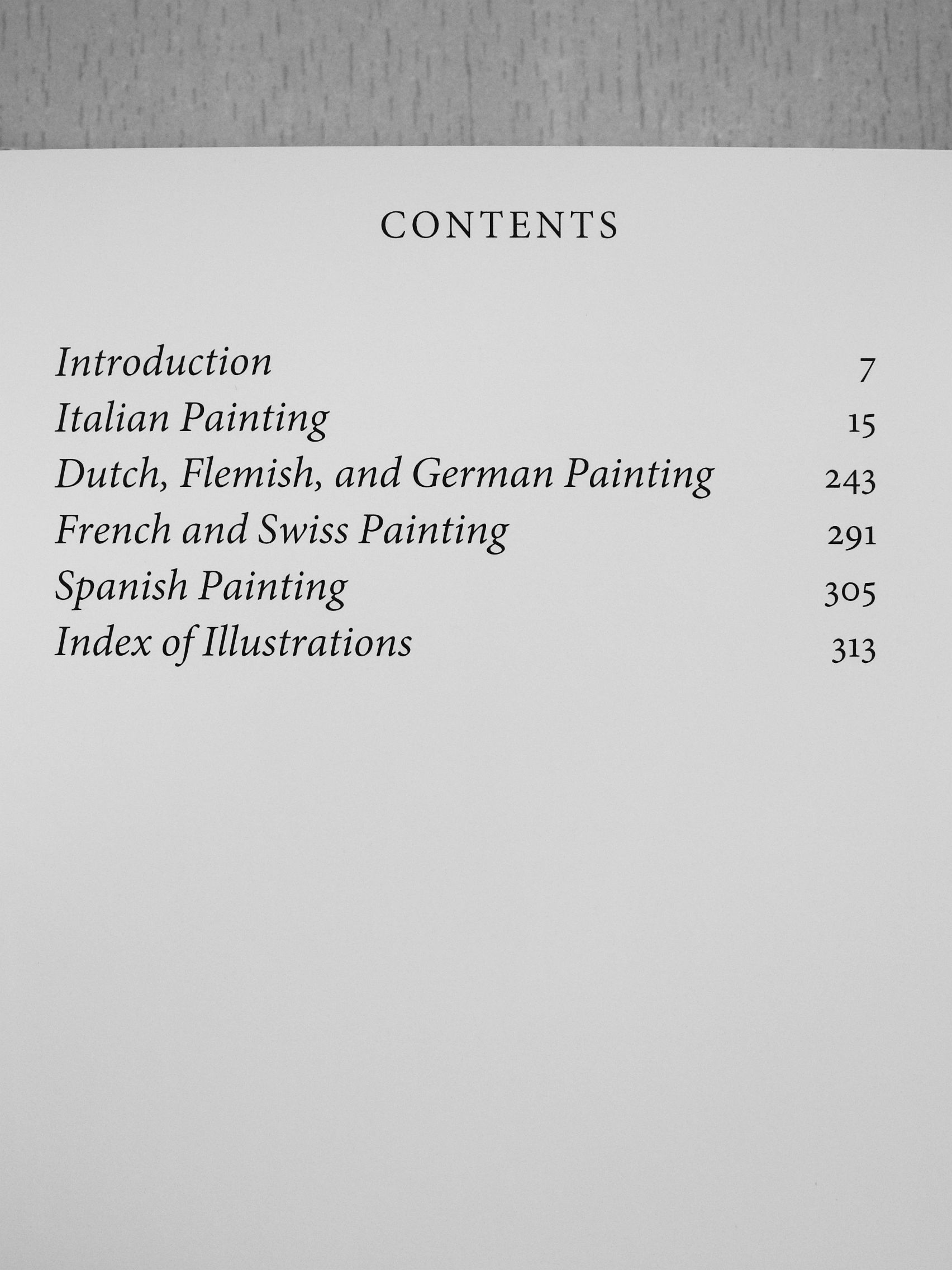

INTRODUCTION
In this volume are reproduced the best paintings from the Uffizi Gallery, among them the most famous works of the Italian Renaissance, which made Florence and Tuscany famous throughout the world. The history of the Uffizi reflects its close relationship with the city of Florence.
The Uffizi was the first European museum assembled to serve purposes that were not only—or at least not essentially—private. When the original nucleus of the collection took form, the great palace that was to house it and eventually give it its...
online ár:
Webáruházunkban a termékek mellett feltüntetett fekete színű online ár csak internetes megrendelés esetén érvényes.
12000 Ft

Részletesen erről a termékről
Bővebb ismertető
INTRODUCTION
In this volume are reproduced the best paintings from the Uffizi Gallery, among them the most famous works of the Italian Renaissance, which made Florence and Tuscany famous throughout the world. The history of the Uffizi reflects its close relationship with the city of Florence.
The Uffizi was the first European museum assembled to serve purposes that were not only—or at least not essentially—private. When the original nucleus of the collection took form, the great palace that was to house it and eventually give it its name already existed. Cosimo I de' Medici (1519-1574), who became grand duke of Tuscany in 1569, had the palace built by Giorgio Vasari (1511-1574). It was originally made to house the administrative offices (uffizi) of the new grand duchy, for Cosimo, whose family dynasty was to rule in Tuscany until 1737, wanted to build his state upon a solid bureaucratic foundation. The new centralized form of the Florentine government was physically demonstrated by the Uffizi's connection on one side, by way of a bridge, to the Palazzo Vecchio, ancient seat of the city government, and on the other side, by way of a long passageway (known as the Vasari Corridor), to the Pitti, the grand ducal palace.
An elegant if severely official structure, the Uffizi
Termékadatok
Cím: Treasures of the Uffizi Florence [antikvár]
Kiadó: Abbeville Press Publishers
Kötés: Fűzött kemény papírkötés
ISBN: 9780789205759
Méret: 110 mm x 120 mm
Új vásárló vagyok!
új vásárlóval indíthatsz rendelést............