


kategória
szerző
cím
sorozat
betöltés...
kiadó
betöltés...
ISBN
évszám
ár
-
leírás
Előrendelhető
A mezők bármelyike illeszkedjen
A mezők mind illeszkedjen


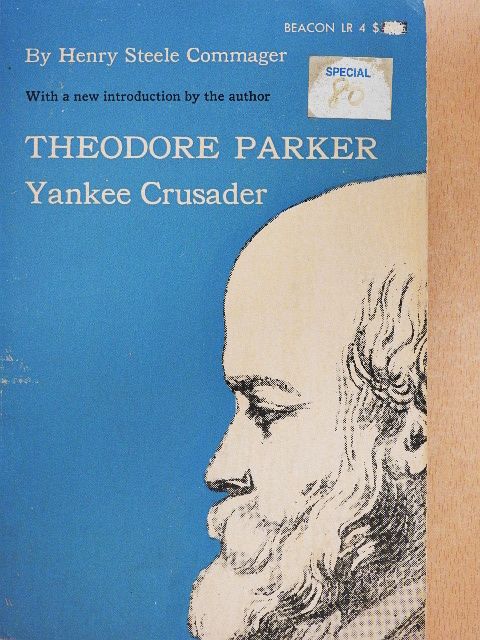

INTRODUCTION TO THE PAPERBACK EDITION
It is just one hundred years, now, since Theodore Parker died in Florence, Italy, his last thoughts with the country he so deeply loved, and with old friends and neighbors. Yet he is still very much alive; what he said, what he did, what he stood for, still have meaning for us. What is there about Parker that makes him not only an historic character—one of those Historic Americans about whom he wrote so vigorously—but also a vital and living character?
The headstone in the Protestant Cemetery in...
online ár:
Webáruházunkban a termékek mellett feltüntetett fekete színű online ár csak internetes megrendelés esetén érvényes.
3980 Ft

Részletesen erről a termékről
Bővebb ismertető
INTRODUCTION TO THE PAPERBACK EDITION
It is just one hundred years, now, since Theodore Parker died in Florence, Italy, his last thoughts with the country he so deeply loved, and with old friends and neighbors. Yet he is still very much alive; what he said, what he did, what he stood for, still have meaning for us. What is there about Parker that makes him not only an historic character—one of those Historic Americans about whom he wrote so vigorously—but also a vital and living character?
The headstone in the Protestant Cemetery in Florence calls him "The Great American Preacher"; and we must never lose sight of the fact that Parker was first and last a preacher, that he thought of himself as a spiritual rather than a secular leader. Where others among the Transcendentalists ostentatiously left the Church, Parker refused to leave it—and as firmly refused to be thrown out. But it was the spiritual rather than the historic church that he continued to serve. He marks, perhaps, the final break with that Calvinism which had already abandoned Trinitarianism for Unitarianism, and which took refuge, in his day, in an odd combination of arid intellectualism and insistence on the validity of miracles. Parker turned Unitarianism upside down: he rejected the miracles but embraced— nay, insisted upon—the spiritual and emotional rather than the rational element in religion. Like James Russell Lowell, when it came to the Unitarian dissenters.
He went a step further, without cough or hem He frankly avowed he believed not in them. And before he could be jumbled up or prevented From their orthodox kind of dissent he dissented.
His theological dissertations and his sermons mark the final emancipation of New England Unitarianism from orthodoxy;
Termékadatok
Cím: Theodore Parker [antikvár]
Szerző:
Theodore Parker
Kiadó: The Beacon Press
Kötés: Ragasztott papírkötés
Méret: 140 mm x 200 mm
Új vásárló vagyok!
új vásárlóval indíthatsz rendelést............