


kategória
szerző
cím
sorozat
betöltés...
kiadó
betöltés...
ISBN
évszám
ár
-
leírás
Előrendelhető
A mezők bármelyike illeszkedjen
A mezők mind illeszkedjen



foreword
In 1974, years before the world was exposed to the flamboyant and powerful impact of Steven Spielberg's film Close Encounters of the Third Kind, the Gallup poll revealed that 15,000,000 Americans had seen Unidentified Flying Objects (better known as UFOs) and that 54 percent of these people believed that the UFOs contained extraterrestrials—visitors from space.
After the release of the film, a survey conducted by the New York Daily News showed that 17 percent of those polled believed that UFOs were controlled by extraterrestrial...
online ár:
Webáruházunkban a termékek mellett feltüntetett fekete színű online ár csak internetes megrendelés esetén érvényes.
3840 Ft

Részletesen erről a termékről
Bővebb ismertető
foreword
In 1974, years before the world was exposed to the flamboyant and powerful impact of Steven Spielberg's film Close Encounters of the Third Kind, the Gallup poll revealed that 15,000,000 Americans had seen Unidentified Flying Objects (better known as UFOs) and that 54 percent of these people believed that the UFOs contained extraterrestrials—visitors from space.
After the release of the film, a survey conducted by the New York Daily News showed that 17 percent of those polled believed that UFOs were controlled by extraterrestrial beings.
The Center for UFO Studies in Evanston, Illinois is headed by Professor Allen Hynek, who started out as a self-confessed debunker of the UFO phenomena, working with the US Air Force UFO investigation team. Project Blue Book. But he is now of a different persuasion: "After years of studying the UFO phenomenon," Hynek told an interviewer, "I'm convinced it's real. I'm now sure there's honest scientific paydirt ahead."
Hynek, who coined the expression "close encounters" to describe UFO sightings, says that since the release of the Spielberg film in 1978 UFO reports at the Evanston center have gone from an average of 50 per day to a mid-December average of nearly 800. The Harvard Smithsonian Center for Astrophysics in Cambridge reported that calls from UFO sighters had tripled in the final months of that year.
And the UFO sighters and believers could no longer be dismissed as mere "kooks." No less illustrious a person than President Jimmy Carter reported personally seeing a UFO, though his staff did much to downplay this report (see Chaptçr 13).
Scientists and distinguished politicians have suggested that the governmental investigation of UFOs, phased out with the end of Project Blue Book, should be reinstituted.
Hynek, psychologist Dr. R. Leo Sprinkle of the University of Wyoming and nuclear physicist Dr. Stanton Friedman charged that President Carter was, in fact.
Termékadatok
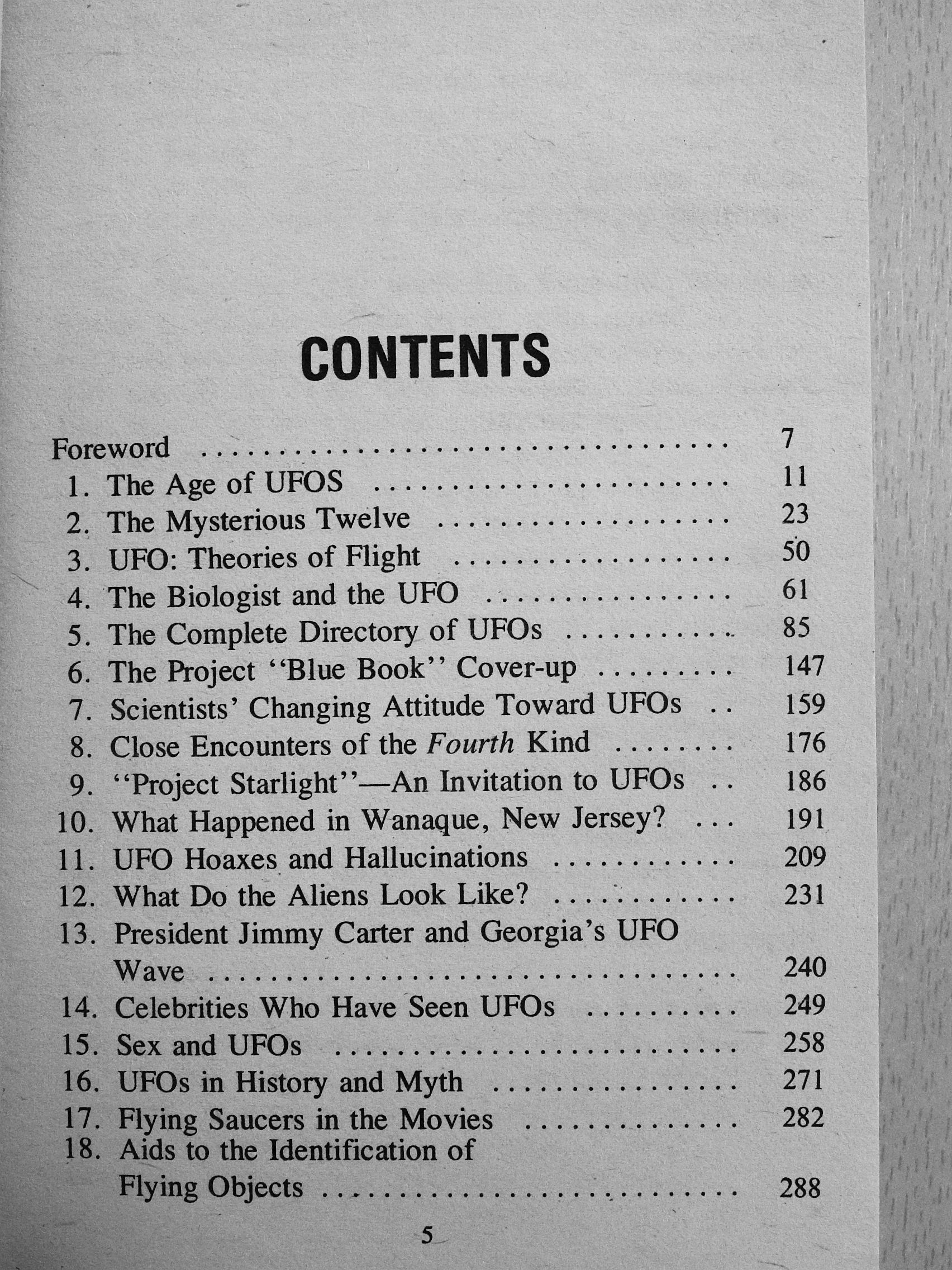
Cím: The Total UFO Story [antikvár]
Szerző:
Milt Machlin
Kiadó: Dale Books
Kötés: Ragasztott papírkötés
ISBN: 0895591138
Méret: 110 mm x 180 mm
Új vásárló vagyok!
új vásárlóval indíthatsz rendelést............