


kategória
szerző
cím
sorozat
betöltés...
kiadó
betöltés...
ISBN
évszám
ár
-
leírás
Előrendelhető
A mezők bármelyike illeszkedjen
A mezők mind illeszkedjen


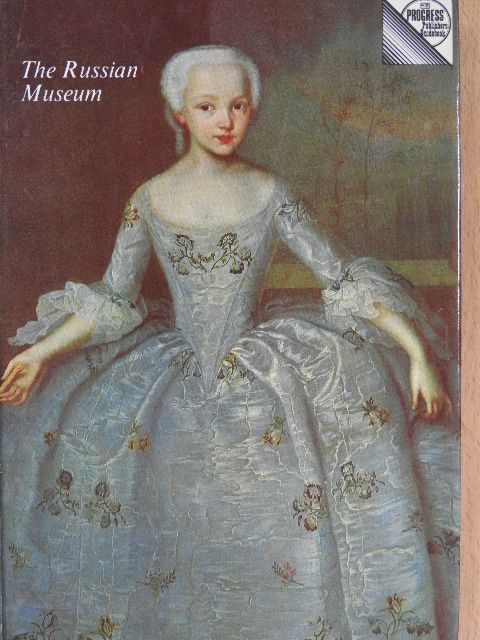

THE RUSSIAN MUSEUM PAST AND PRESENT The State Russian Museum in Leningrád is one of the world's largest museums, with a collection of over 320,000 paintings, sculptures, drawings, and works of applied and folk art. In its fullness and variety, this collection of national art has no equal in the country. A remarkable feature of the museum in comparison, say, to the Tretyakov Gallery in Moscow, is that the almost thousand-year history of Russian artistic eulture is presented not only through works of professional artists, but alsó through...
online ár:
Webáruházunkban a termékek mellett feltüntetett fekete színű online ár csak internetes megrendelés esetén érvényes.
2110 Ft

Részletesen erről a termékről
Bővebb ismertető
THE RUSSIAN MUSEUM PAST AND PRESENT The State Russian Museum in Leningrád is one of the world's largest museums, with a collection of over 320,000 paintings, sculptures, drawings, and works of applied and folk art. In its fullness and variety, this collection of national art has no equal in the country. A remarkable feature of the museum in comparison, say, to the Tretyakov Gallery in Moscow, is that the almost thousand-year history of Russian artistic eulture is presented not only through works of professional artists, but alsó through unique examples of folk creation. On March 7 (19), 1898, the ceremóniái opening of the first state museum of Russian art took place at the Mikhailovsky Palace. Works from the Academy of Arts, the Winter Palace and other palaces, and a number of priváté contributions were turnéd over to the museum. The very creation of a state museum of national art was a remarkable event, prepared by progressive public opinion and j the efforts of several generations | of Russian cultural figures. In its earliest days it already possessed work by such masters as Fedor Rokotov, Kari Briullov, Fedor Bruni, Ilya Repin, Vasili Surikov, and others, which will always be among its most valuable holdings. The assumption of the curatorship in 1909 by the artist Petr Neradovski was a very fortunate event. During his first year the museum acquired extremely valuable paintings by Alexey Venetsianov, Anton Losenko, and Alexander Ivanov, drawings by Kari Briullov and Pavel Fedotov, and works by contemporary artists Mikhail Nesterov, Konstantin Somov, and Viktor Borisov-Musatov. All the collections were newly systematized to follow historical and stylistic logic, and necessary restoration work was done. The new system revealed significant gaps in the collection, which could be filled only through long and painstaking labor. However, funds from the tsarist government for financing aequisitions and other essential work were generally sparse. Therefore the organization of
Termékadatok
Cím: The Russian Museum [antikvár]
Szerző:
A. Gubarev
Kiadó: Progress Publishers
Kötés: Fűzött kemény papírkötés
Méret: 120 mm x 170 mm
Új vásárló vagyok!
új vásárlóval indíthatsz rendelést............