


kategória
szerző
cím
sorozat
betöltés...
kiadó
betöltés...
ISBN
évszám
ár
-
leírás
Előrendelhető
A mezők bármelyike illeszkedjen
A mezők mind illeszkedjen



PREFACE
Anthologies can be built on a number of principles: ihey can be designed as collections of great works that have withstood the test of time, rellections of the anthologist's tastes, explorations of a theme, or overviews of literary history. The Riverside Anthology is all of these things to some degree, but principally it aims to be a book that gives students the tools to develop independent judgments, tastes, and enthusiasms about literature. In short, this is a textbook that aims to make students less dependent on textbooks.
We...
online ár:
Webáruházunkban a termékek mellett feltüntetett fekete színű online ár csak internetes megrendelés esetén érvényes.
5800 Ft

Részletesen erről a termékről
Bővebb ismertető
PREFACE
Anthologies can be built on a number of principles: ihey can be designed as collections of great works that have withstood the test of time, rellections of the anthologist's tastes, explorations of a theme, or overviews of literary history. The Riverside Anthology is all of these things to some degree, but principally it aims to be a book that gives students the tools to develop independent judgments, tastes, and enthusiasms about literature. In short, this is a textbook that aims to make students less dependent on textbooks.
We cannot ask students to develop independent judgments with an anthology that raises no eyebrows and challenges no assumptions. Therefore, The Riverside Anthology contains a very broad selection of works: the Anglo-American tradition is well represented, but there is also a healthy representation of writers from Europe, Latin America, and Africa; the great authors of the past are well represented, but there is also a generous representation of authors so contemporary that no one can know whether they will have a place in literary history.
If students are to form their own judgments about literature, they should not have the textbook writer's judgments thrust on them at every turn. One of my favorite stories about the way literature ought ideally to be presented involves Sir Joshua Reynolds, the eighteenth-century painter, who, having nothing to do one evening, picked up a book by an author unknown to him and leaned against a mantlepiece to leaf through it. The book, Samuel Johnson's Life of Savage, "seized his attention so strongly that, not being able to lay down the book till he had finished it, when he attempted to move, he found his arm totally benumbed." 1 doubt that Reynolds could have had this experience if the Life of Savage had appeared in a textbook as an illustration of a textbook writer's generalizations about the use of setting as an aid to characterization. The important discoveries about literature come to us as surprises.
The apparatus in The Riverside Anthology aims to prepare the reader to be surprised. The elements of literature are discussed (often in lesson-length essays) in the Handbook of Literature and in the introductions to the three genres; but this apparatus is separated from the works themselves, so that the story, poem, or play is not dulled by explication. The Ibnn of the book makes it clear that one learns about literature primarily by reading it and only secondarily by reading what a textbook lias lo say aboiu it. A good deal of the connnentary about literatin e is made l)y the authors iheinsolves, in the "counterpoinls" lliat follow the works. Thc.sc counterpoints sonic-
Termékadatok
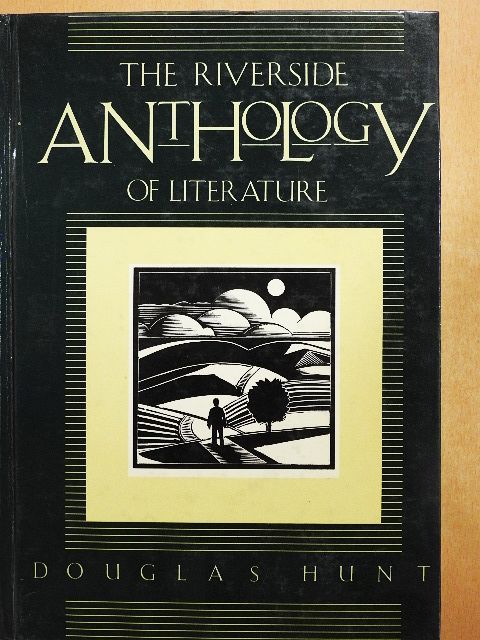
Cím: The Riverside Anthology of Literature [antikvár]
Szerző:
Douglas Hunt
Kiadó: Houghton Mifflin Company
Kötés: Fűzött kemény papírkötés
ISBN: 0395432642
Méret: 170 mm x 240 mm
Új vásárló vagyok!
új vásárlóval indíthatsz rendelést............