


kategória
szerző
cím
sorozat
betöltés...
kiadó
betöltés...
ISBN
évszám
ár
-
leírás
Előrendelhető
A mezők bármelyike illeszkedjen
A mezők mind illeszkedjen



How TO USE THIS BOOK
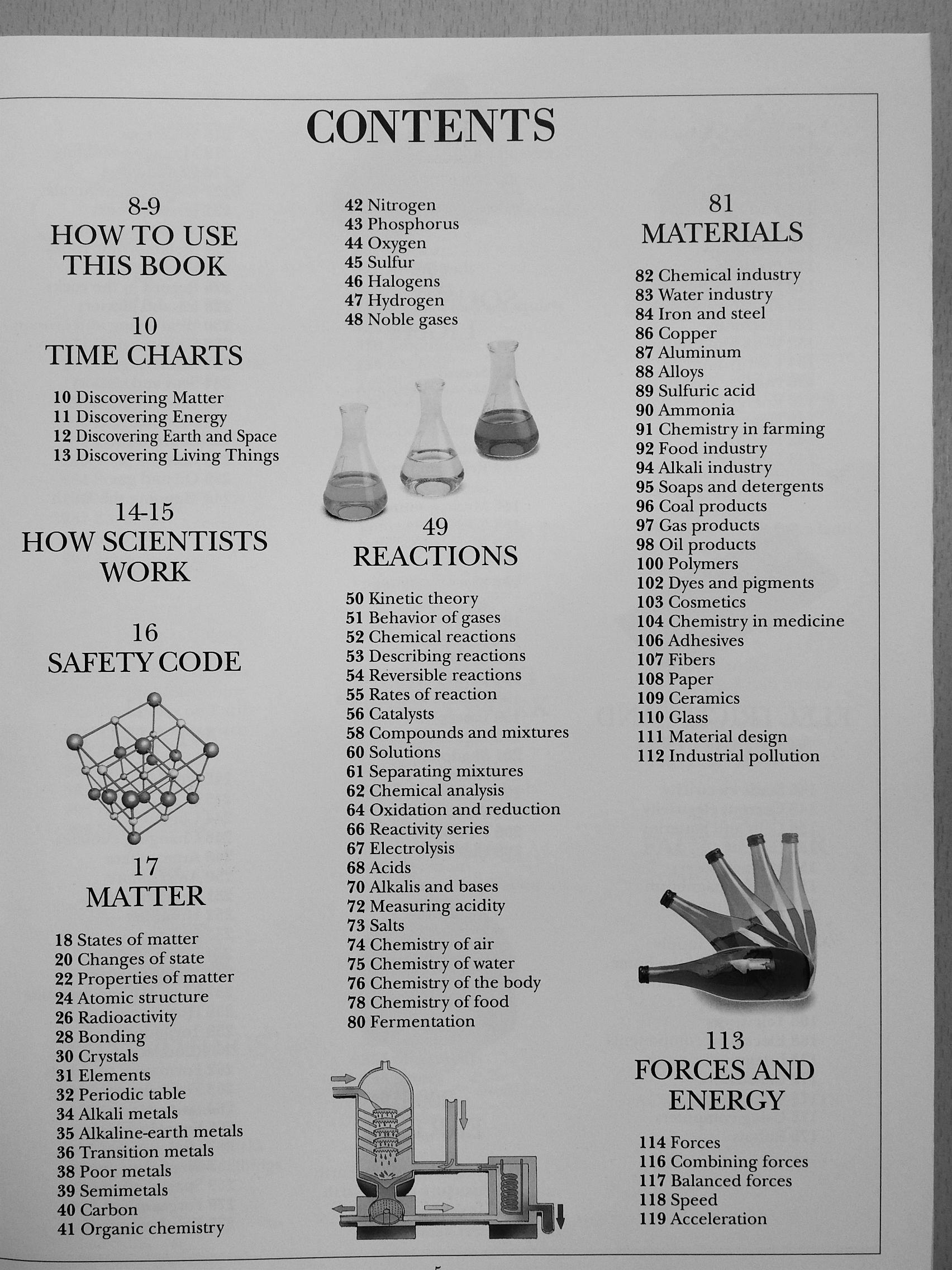
Tliese pages show you how to use the Dorling Kindersley Science Encyclopedia. The enyclopedia is divided into 12 topical sections, such as Reactions and Living Things. Witiiin each secdon are main entries on the subject, such as the
Chemistry of Food or Reptiles. To find an entry, look on the contents pages, where the heading of each page is listed, or turn to the index, which tells you which pages contain information on the subject you are looking up.
The 12-page index is al the baclc
____of the Science...
online ár:
Webáruházunkban a termékek mellett feltüntetett fekete színű online ár csak internetes megrendelés esetén érvényes.
7400 Ft

Részletesen erről a termékről
Bővebb ismertető
How TO USE THIS BOOK
Tliese pages show you how to use the Dorling Kindersley Science Encyclopedia. The enyclopedia is divided into 12 topical sections, such as Reactions and Living Things. Witiiin each secdon are main entries on the subject, such as the
Chemistry of Food or Reptiles. To find an entry, look on the contents pages, where the heading of each page is listed, or turn to the index, which tells you which pages contain information on the subject you are looking up.
The 12-page index is al the baclc
____of the Science Encyclopedia. The
'dyesTrrv^ numbers refer to page numbers.
inimals biosphere cycl« brain 361 breathing 347 burrowing 393 carbon cycle 41 cells 337,338 classification 421
.The page number in normal type gives general references within the Science Encyclopedia.
The page number in bold type gives the main entry.
The page number in /fa//ctype gives pages in the Fact finder.
SCIENCE THEMES The information in the encyclopedia is arranged in a topical way. Each entry gives detailed information on one topic, making it ideal for project work. Reading other pages in the same section enables you to explore and understand ihe subject fully. This page on Chemical Analysis is from the Reactions section. The words and pictures describe subjects such as Chromatography and Flame Tests in a clear and exciting way.
Find out more
! Atomic structure p.24 Compounds and mixtures p.58 separating mixtures p.61
Sources of light p.193 Genetics p.364 FACT FINDER p.iOA
FIND OUT MORE There is a Find out more box in the bottom right-hand comer of each entry page. This box lists other pages in the Science Encyclopedia where you can find out more about your subject. For example, the Find out njon?box on the Chemical Analysis page lists six related entries and their page numbers.
The Find out nwre box on Sources of Light leads you to four related entries: Noble Gases, Chemical Reactions, Electricity Supply, and Color.
02020205020230010202020202020000
Termékadatok
Cím: The DK Science Encyclopedia [antikvár]
Kiadó: DK Publishing
Kötés: Ragasztott kemény papírkötés
ISBN: 0789421909
Méret: 220 mm x 280 mm
Új vásárló vagyok!
új vásárlóval indíthatsz rendelést............