


kategória
szerző
cím
sorozat
betöltés...
kiadó
betöltés...
ISBN
évszám
ár
-
leírás
Előrendelhető
A mezők bármelyike illeszkedjen
A mezők mind illeszkedjen


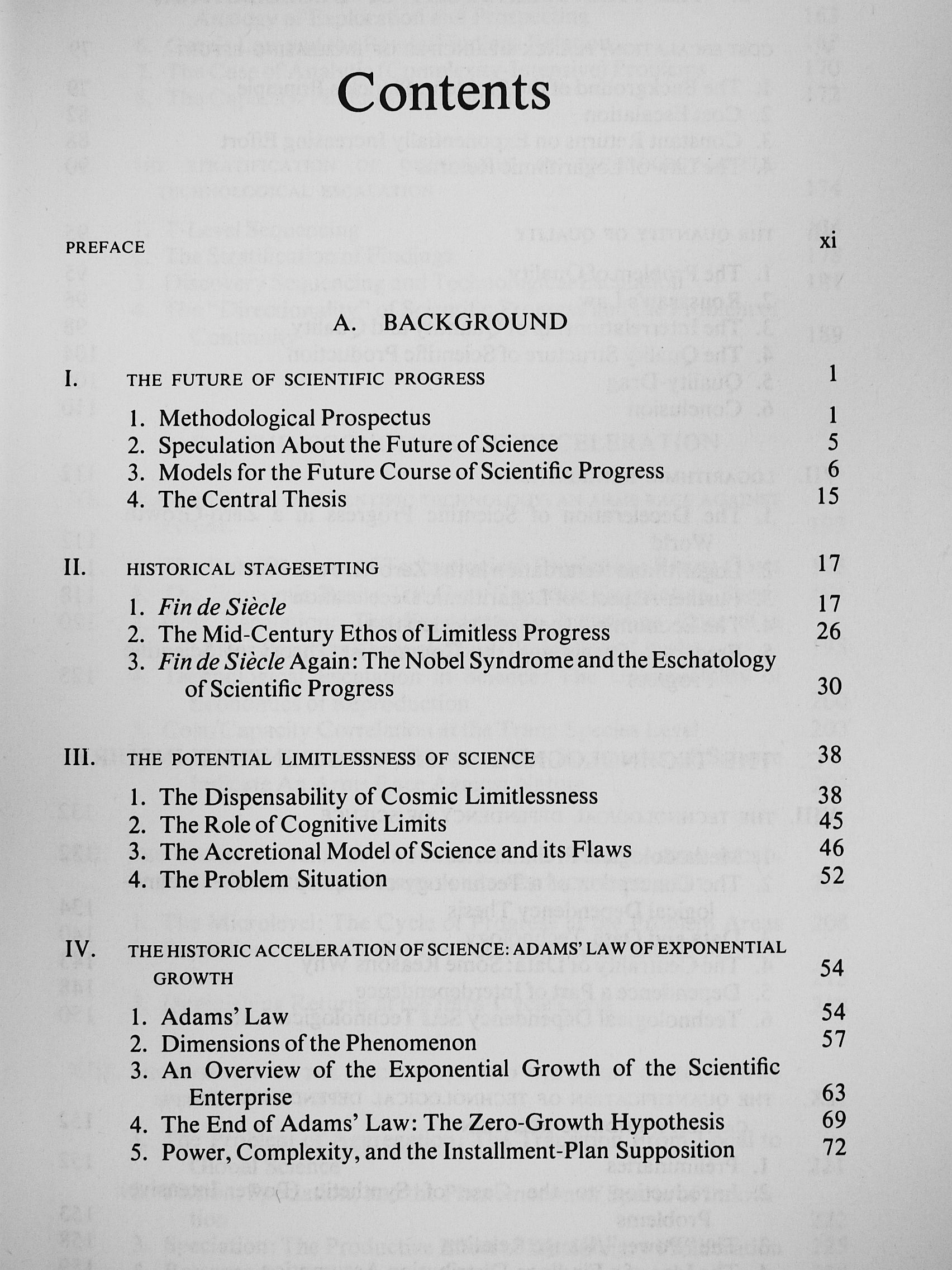

Preface
More than a century has now passed since Emil du Bois-Reymond delivered his celebrated lecture "On the Limits of Natural Science" {Ueber die Grenzen des Naturerkennens) in 1872, soon followed by the even more widely influential address on "the Seven World-Riddles" {Die Sieben Weltratsel, with which he opened the Leibniz celebration of the Prussian Academy of Sciences in Berlin in July of 1880. Over the ensuing century, the theme of the limits of science has constantly been on the public agenda. But at no time has this theme been...
online ár:
Webáruházunkban a termékek mellett feltüntetett fekete színű online ár csak internetes megrendelés esetén érvényes.
6400 Ft

Részletesen erről a termékről
Bővebb ismertető
Preface
More than a century has now passed since Emil du Bois-Reymond delivered his celebrated lecture "On the Limits of Natural Science" {Ueber die Grenzen des Naturerkennens) in 1872, soon followed by the even more widely influential address on "the Seven World-Riddles" {Die Sieben Weltratsel, with which he opened the Leibniz celebration of the Prussian Academy of Sciences in Berlin in July of 1880. Over the ensuing century, the theme of the limits of science has constantly been on the public agenda. But at no time has this theme been more pressing and topical than today, when influential voices sound all around us with predictions of an imminent end to scientific progress. For in recent years a growing recognition of the massive difficulties and obstacles to the continuation of rapid progress in scientific inquiry has developed on many sides and, as will appear in Chapter II, this has engendered a great deal of defeatism and failure of nerve within the scientific community itself.
The sciendfic "establishment" of the present day appears to be undergoing a crisis of self-confidence strongly reminiscent of that decline in the sense of legitimacy which enervated the French aristocracy in the closing decades of the old régime. On reading the comments of many of the most thoughtful sciendsts of the day, one might well think that Spengler's gloomy vision of the setting of the formerly bright sun of Western civilizadon and its intellectual heritage is on the brink of realization. My main aim in writing the book is to vindicate in the face of this defeatism the Leibnizian vision of an open and hopeful future for scientific inquiry. For one cannot but feel that the end-to-progress theory has tragic implications for the human condition. Leibniz was surely right: the essence of human happiness resides not so much in any attainment, completion, and accomplished possession as in
Termékadatok
Cím: Scientific Progress [antikvár]
Szerző:
Nicholas Rescher
Kötés: Varrott keménykötés
ISBN: 0822911280
Méret: 140 mm x 220 mm
Új vásárló vagyok!
új vásárlóval indíthatsz rendelést............