


kategória
szerző
cím
sorozat
betöltés...
kiadó
betöltés...
ISBN
évszám
ár
-
leírás
Előrendelhető
A mezők bármelyike illeszkedjen
A mezők mind illeszkedjen


![Stephen E. Ambrose - Rise to Globalism [antikvár]](https://lira.erbacdn.net/upload/M_28/rek1/747/5248747.jpg "Stephen E. Ambrose - Rise to Globalism [antikvár]")

Introduction
In 1939, on the eve of World War II, the United States had an Army of 185,000 men with an annual budget of less than i500 million. America had no military alliances and no American troops were stationed in any foreign country. The dominant political mood was isolationism. America's physical security, the sine qua non of foreign policy, seemed assured, not because of American alliances or military strength but because of the distance between America and any potential enemy.
Thirty years later the United States had a standing...
online ár:
Webáruházunkban a termékek mellett feltüntetett fekete színű online ár csak internetes megrendelés esetén érvényes.
1980 Ft

Részletesen erről a termékről
Bővebb ismertető
Introduction
In 1939, on the eve of World War II, the United States had an Army of 185,000 men with an annual budget of less than i500 million. America had no military alliances and no American troops were stationed in any foreign country. The dominant political mood was isolationism. America's physical security, the sine qua non of foreign policy, seemed assured, not because of American alliances or military strength but because of the distance between America and any potential enemy.
Thirty years later the United States had a standing Army of well over one million men, with an Air Force and a Navy almost as large. The budget of the Department of Defense was over |ioo billion. The United States had military alliances with forty-eight nations, 1.5 million soldiers, airmen, and sailors stationed in 119 countries, and an offensive capability sufficient to destroy the world many times over. It was deeply involved in a bloody conflict in Indochina, had used military force to intervene in Lebanon and the Dominican Republic, supported an invasion of Cuba, distributed enormous quantities of arms to friendly governments around the world, and fought a costly war in Korea. A clear majority of Americans supported a policy of intervention to prevent Communist expansion, an attitude that allowed American leaders to assume the role of world policemen. But despite all the money spent on armaments and no matter how far outward America extended her power, the technological revolution had overcome distance, and with the loss of her protective
Termékadatok
Cím: Rise to Globalism [antikvár]
Szerző:
Stephen E. Ambrose
Kiadó: Penguin Books Ltd
Kötés: Ragasztott papírkötés
ISBN: 0140212477
Méret: 110 mm x 180 mm
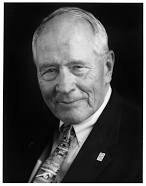
Stephen Edward Ambrose amerikai történész volt, aki leginkább Dwight D. Eisenhower és Richard Nixon amerikai elnökök életrajzairól ismert. Régóta a New Orleans-i Egyetem történelemprofesszora volt, és számos bestseller amerikai néptörténeti kötet szerzője.
Új vásárló vagyok!
új vásárlóval indíthatsz rendelést............