


kategória
szerző
cím
sorozat
betöltés...
kiadó
betöltés...
ISBN
évszám
ár
-
leírás
Előrendelhető
A mezők bármelyike illeszkedjen
A mezők mind illeszkedjen


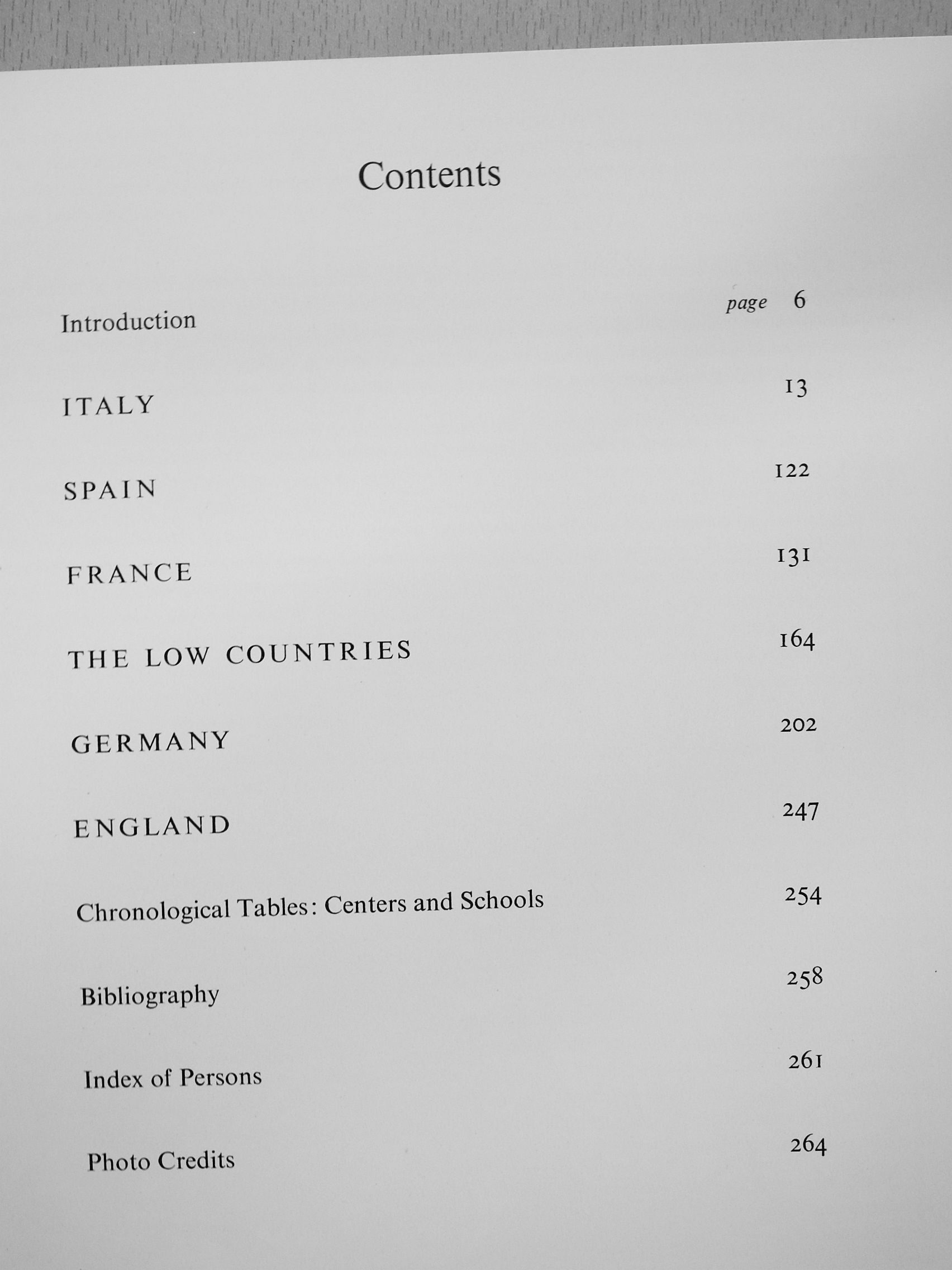

Introduction
There is a youthful insolence about the Renaissance. Its spokesmen blithely rewrote history to make it appear that the sun rose for the first time on the first morning of their new Golden Age. The plan could not be simpler: there was a Garden of Eden called Greece and Rome; then the Fall and Expulsion which produced some eight or nine centuries of darkness; and finally a "reawakening" or, even, a "rebirth" which took place on a specific spot in Tuscany on a specific day when the talent of a boy named Giotto was discovered by a...
online ár:
Webáruházunkban a termékek mellett feltüntetett fekete színű online ár csak internetes megrendelés esetén érvényes.
4840 Ft

Részletesen erről a termékről
Bővebb ismertető
Introduction
There is a youthful insolence about the Renaissance. Its spokesmen blithely rewrote history to make it appear that the sun rose for the first time on the first morning of their new Golden Age. The plan could not be simpler: there was a Garden of Eden called Greece and Rome; then the Fall and Expulsion which produced some eight or nine centuries of darkness; and finally a "reawakening" or, even, a "rebirth" which took place on a specific spot in Tuscany on a specific day when the talent of a boy named Giotto was discovered by a painter named Cimabue :
The Christian faith triumphed in the time of Emperor Const ant ine and Pope Sylvester. Idolatry was persecuted with such rigor that oU the statues and pictures of great nobility, antiquity, and perfection were smashed or torn to bits. And along with the statues and pictures were destroyed the books, commentaries, drawings, and manuals which taught such an eminent and worthy art. And then, to wipe out every trace of the old customs of idolatry, it was decreed that all the churches tnust be white. Severe penalties were inflicted on anyone who made a statue or a picture. Thus there ended the arts of sculpture and ofpainting and everything men knew about them. Art died, and the churches remained white for some six hundred years. Then the Byzantine Greeks began again the art of painting, but in a most feeble manner and most crudely. As skillful as were the Ancients, so in that age were artists rough and uncouth in their art The art of painting began to rise again in Etruria [Tuscany]. In a village
near Florence called Vespignano was born a boy of wondrous talent____He [Giotto] was the harbinger of the
new art. Lorenzo ghiberti, II Secondo Commentario, c. 1447.
What first aroused the torpid minds from centuries of slumber was the discovery and imitation of the "perfect" art of the Ancients, the "original forms" that God had set as models for the "true" artist:
in 1250 Heaven took compassion on the fine minds that the Tuscan soil was producing every day, and directed them to the original forms. For although the preceding generations had before them the remains of arches, colossi, statues, pillars or carved stone columns which were left after the plunder, ruin and fire which Rome had passed through, yet they could never make use of them or derive any profit from them until the period named. Those who came after were able to distinguish the good from the bad, and abandoning the old style they began to copy the ancients with all ardour and industry, giorgio vasark Le Vite de' piu eccellenti pittori,
scultori e architettori, 1568, translated by A.B.Hinds, 1900.
In this schematic view of history, what no one much cared to face was why, after Giotto, artists had slipped back into the bad old ways, into the "rude and rough style" which today we call International Gothic and consider an art of the most exacerbated formalistic refinement. It was against that style, after all, that the Renaissance revolted. But it was clear that a second discovery, that of Nature, combined with the discovery of Antiquity to awaken the sleepers once and for all, and that this came about in the generation of Masaccio, Brunelleschi, Ghiberti, Donatello, and Uccello:
Masaccio entirely freed himself from Giotto's style, his heads, draperies, buildings, nudes, colouring and foreshortening being in a new manner [with] natural attitudes, a much better expression ofthe emotions of the spirit and ofthe gestures ofthe body, joined to a constant endeavour to get nearer to the truth of Nature in design, while the faces are exactly like those of men as they were seen and known by the artists. Thus men sought
Termékadatok
Cím: Renaissance and Mannerist Art [antikvár]
Kiadó: Harry N. Abrams
Kötés: Vászon
Méret: 200 mm x 230 mm
Új vásárló vagyok!
új vásárlóval indíthatsz rendelést............