


kategória
szerző
cím
sorozat
betöltés...
kiadó
betöltés...
ISBN
évszám
ár
-
leírás
Előrendelhető
A mezők bármelyike illeszkedjen
A mezők mind illeszkedjen


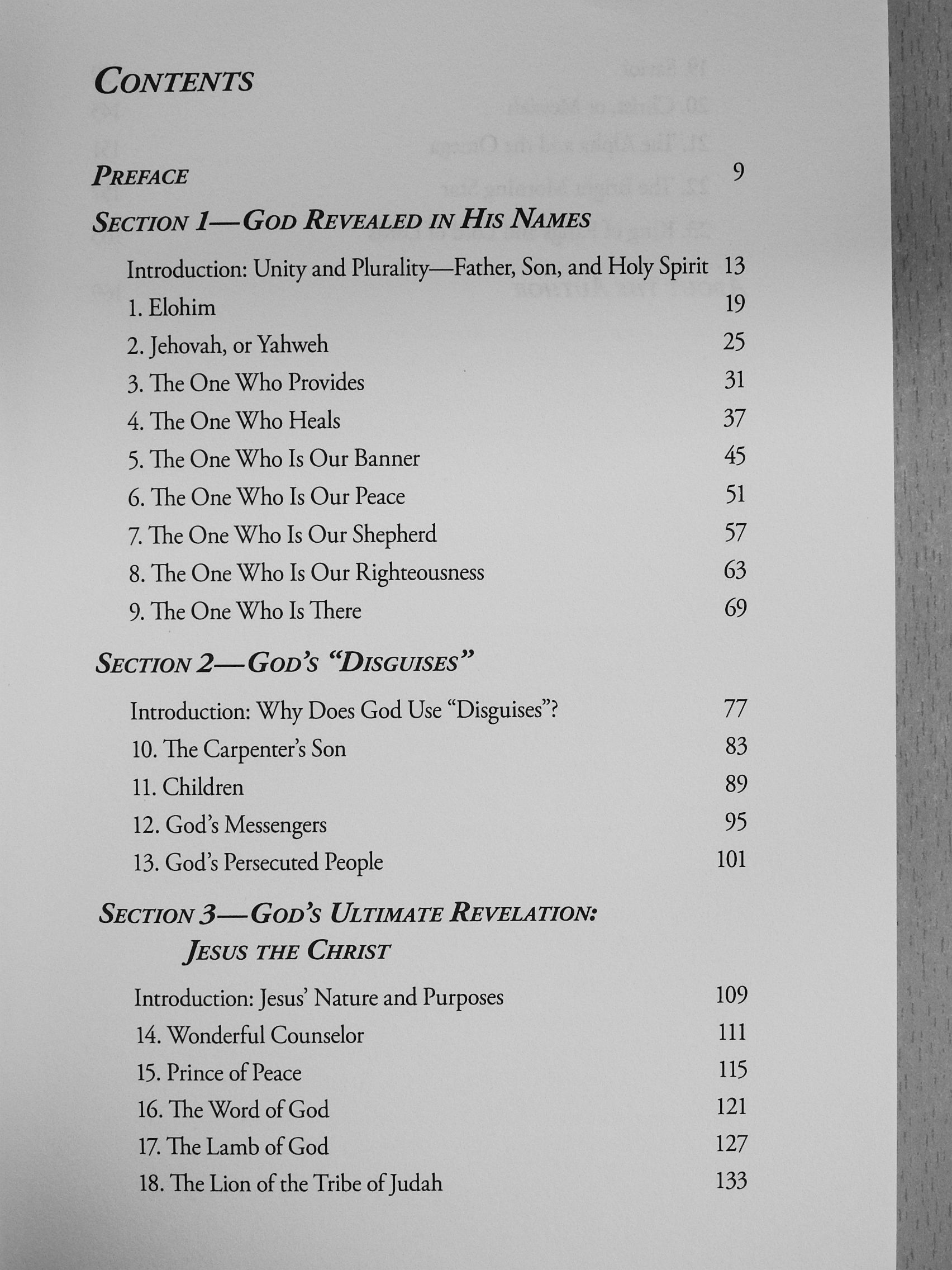

Preface
All through the Bible, names have great significance—much greater significance than they usually have in our contemporary culture. Almost every name in the Bible has a specific meaning and a specific appropriateness to the person named; each is indicative of the nature of that person.
A clear example of this fact is found in the names of the three patriarchs, Abraham, Isaac, and Jacob. Two of them had their names changed by God—^Abraham and Jacob. Abraham's name was originally Abram, meaning "exalted father," while Abraham...
online ár:
Webáruházunkban a termékek mellett feltüntetett fekete színű online ár csak internetes megrendelés esetén érvényes.
4540 Ft

Részletesen erről a termékről
Bővebb ismertető
Preface
All through the Bible, names have great significance—much greater significance than they usually have in our contemporary culture. Almost every name in the Bible has a specific meaning and a specific appropriateness to the person named; each is indicative of the nature of that person.
A clear example of this fact is found in the names of the three patriarchs, Abraham, Isaac, and Jacob. Two of them had their names changed by God—^Abraham and Jacob. Abraham's name was originally Abram, meaning "exalted father," while Abraham means "father of a multitude." Jacob's name was changed to Israel; Jacob is usually interpreted as "supplanter," while Israel means either "a prince with God" or "one who wrestles with God."
In each case, the change of name was given during a crisis in the life of the patriarch, and it had a decisive effect on his ongoing character development and the fulfillment of his destiny. In other words, names are connected with character and destiny.
You might ask, "Why didn't Isaac have his name changed?" Interestingly, God chose Isaac's name before he was born. Since it was chosen by God, Isaac's name did not need to be changed.
If the names given to men in the Bible are of such significance, the names attributed to God must be that much more significant. In the chapters that follow, we will look at how God is revealed in His names, as well as how God "disguises" Himself and how His ultimate revelation of Himself may be found in Jesus Christ and the titles by which Jesus is called.
Termékadatok
Cím: Power in the Name [antikvár]
Szerző:
Derek Prince
Kiadó: Whitaker House
Kötés: Ragasztott papírkötés
ISBN: 9781603741217
Méret: 130 mm x 210 mm
Új vásárló vagyok!
új vásárlóval indíthatsz rendelést............