


kategória
szerző
cím
sorozat
betöltés...
kiadó
betöltés...
ISBN
évszám
ár
-
leírás
Előrendelhető
A mezők bármelyike illeszkedjen
A mezők mind illeszkedjen


![György Martin - Hungarian Folk Dances [antikvár]](https://lira.erbacdn.net/upload/M_28/rek1/582/4928582.jpg "György Martin - Hungarian Folk Dances [antikvár]")

AIM AND HISTORY OF FOLK-DANCE
RESEARCH
Though neither taught nor institutionally propagated, folk dances have survived amidst the peasantry as an organic part of slowly changing peasant life and its ordered customs. Handed dovra from generation to generation, they developed over the years as part of a community or ethnic group, assuming their present form after being polished for years, often a whole historical period, by the dancing skills and talents of great men and women.
Hungarian folk dances were not all bom in one single...
online ár:
Webáruházunkban a termékek mellett feltüntetett fekete színű online ár csak internetes megrendelés esetén érvényes.
3380 Ft

Részletesen erről a termékről
Bővebb ismertető
AIM AND HISTORY OF FOLK-DANCE
RESEARCH
Though neither taught nor institutionally propagated, folk dances have survived amidst the peasantry as an organic part of slowly changing peasant life and its ordered customs. Handed dovra from generation to generation, they developed over the years as part of a community or ethnic group, assuming their present form after being polished for years, often a whole historical period, by the dancing skills and talents of great men and women.
Hungarian folk dances were not all bom in one single historical period. Peasant variants of nineteenth-century art songs, sixteenth-century narrative ones and medieval dance tunes coexist with folk songs looking back to perhaps many thousand years, all of them part of the music of the Hungarian village. The traditional store of dances is an amalgam of medieval chain dances, of the remnants of sixteenth and seventeenth-century weapon dances, of eighteenth and nineteenth-centary recruiting dances, of the Csárdás and of folksy variants of turn-of-the-cenmry ballroom dancing.
The primary interest of folk-dance research is a scholarly one: to approach problems of dance history and related ones by using its own ethnographical methodology. Sparse written sources are supplemented by the collection and classification of the living heritage, and an outline of the development of a given dance is then attempted by comparing the two types of sources. The roots of tradition frequently delve so deep into the soil of the past that they allow one to draw conclusions about long submerged styles and about historical processes that took place many hundreds of years earlier. Zoltán Kodály, in his Ethnography and Musical History (1933) drew attention to the importance of the living heritage when putting new life into written musical records: "Ethnomusicology is the precondition and most important supporting discipline of work on the history of Hungarian music. Only the knowledge and experience of folklorists can add colour and life to the facts of music history. That is why a Hungarian historian of music must be a smdent of folklore in the first place. He will not know what to do with written records if he is unfamiliar with folk music tradition as a personal experience."
Kodály's words are vaUd for research into the history of the dance to an even higher
Termékadatok
Cím: Hungarian Folk Dances [antikvár]
Kiadó: Corvina Kiadó
Kötés: Fűzött kemény papírkötés
ISBN: 9631326144
Méret: 160 mm x 180 mm
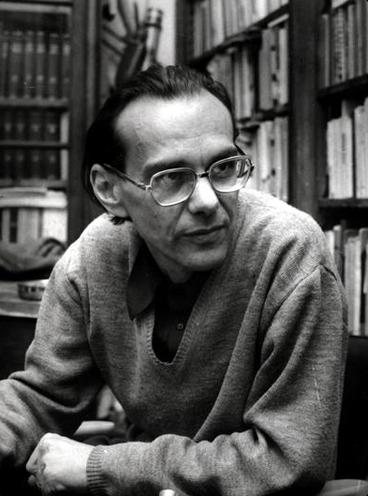
Martin György (beceneve: Tinka) (Budapest, 1932. február 5. – Budapest, 1983. október 31.) Erkel-díjas magyar tánctörténész, néprajzkutató, zenefolklorista, a nemzetközi rangú magyar tánckutatás megteremtője.
Új vásárló vagyok!
új vásárlóval indíthatsz rendelést............