


kategória
szerző
cím
sorozat
betöltés...
kiadó
betöltés...
ISBN
évszám
ár
-
leírás
Előrendelhető
A mezők bármelyike illeszkedjen
A mezők mind illeszkedjen


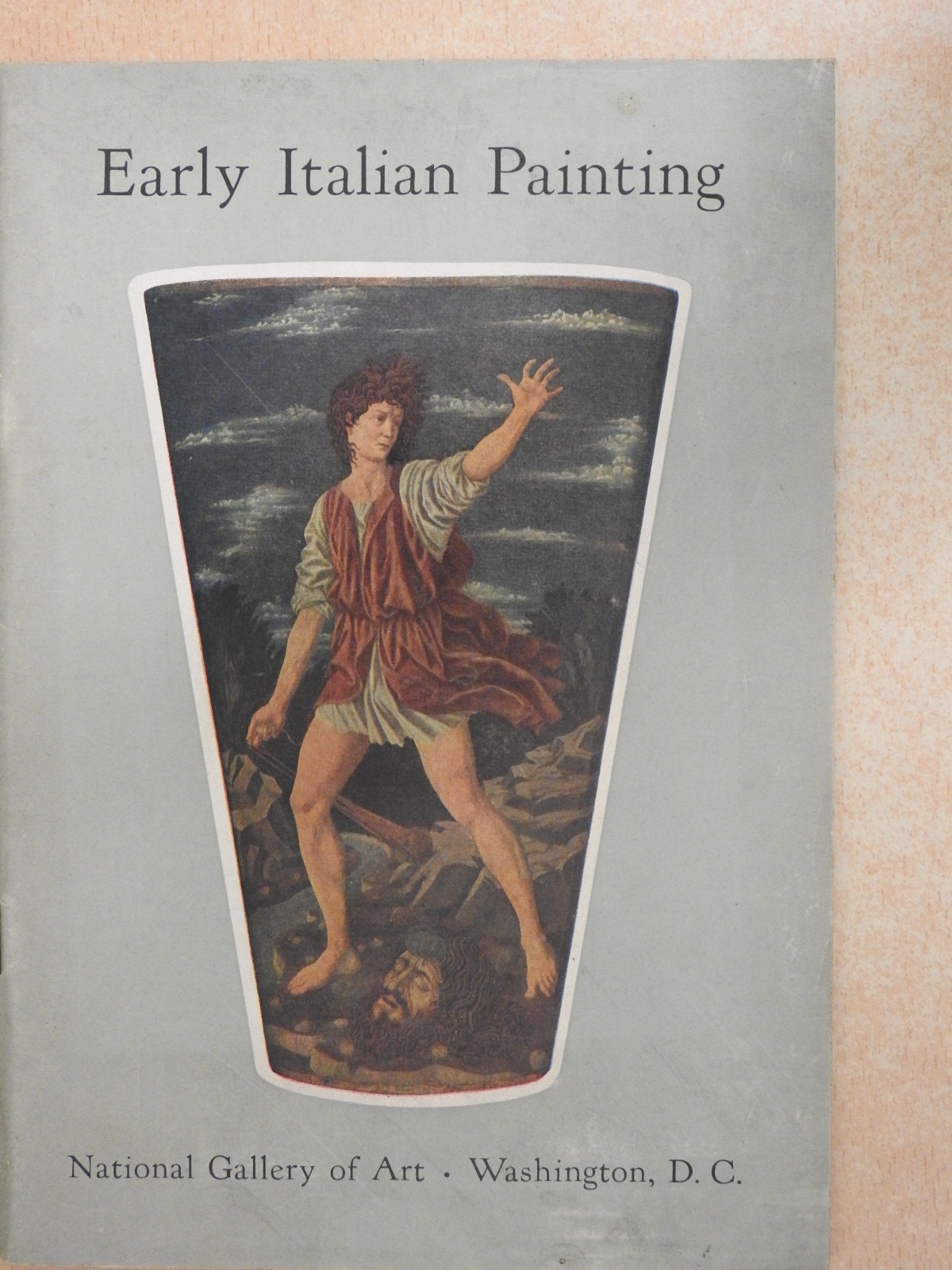
Early Italian Painting in the National Gallery of Art [antikvár]
Fern Rusk Shapley

Early Italian Painting
When the Madonna illustrated on page 13 was painted, early in the thirteenth century, the great period of Greek and Roman art was centuries in the past, and the Renaissance, or classical revival, was still in the future. One rich stronghold of the Greek tradition had survived. This was Constantinople, capital of the Byzantine Empire and headquarters for a style of painting which was so uniformly and widely practiced that we cannot tell whether the Madonna on page 13 was painted in Constantinople or in some place as...
online ár:
Webáruházunkban a termékek mellett feltüntetett fekete színű online ár csak internetes megrendelés esetén érvényes.
1580 Ft

Részletesen erről a termékről
Bővebb ismertető
Early Italian Painting
When the Madonna illustrated on page 13 was painted, early in the thirteenth century, the great period of Greek and Roman art was centuries in the past, and the Renaissance, or classical revival, was still in the future. One rich stronghold of the Greek tradition had survived. This was Constantinople, capital of the Byzantine Empire and headquarters for a style of painting which was so uniformly and widely practiced that we cannot tell whether the Madonna on page 13 was painted in Constantinople or in some place as far away as Venice or Sicily.
Byzantine painters continued to model faces and hands in light and shade so that they remind us, however distantly, of Greek sculpture. While the flesh parts have this reminiscent quality, other parts of the figures are often as flat as cutouts. The drapery is arranged to produce a striking effect rather than to suggest the solidity of the body beneath it, and there is no longer a hint of the free, natural movement of Greek sculpture. Byzantine art developed under the patronage of the medieval Christian church, with its sacred traditions which prescribed not only the subjects to be repre-
1
Termékadatok
Cím: Early Italian Painting in the National Gallery of Art [antikvár]
Szerző:
Fern Rusk Shapley
Kiadó: National Gallery of Art
Kötés: Tűzött kötés
Méret: 130 mm x 190 mm
Új vásárló vagyok!
új vásárlóval indíthatsz rendelést............