


kategória
szerző
cím
sorozat
betöltés...
kiadó
betöltés...
ISBN
évszám
ár
-
leírás
Előrendelhető
A mezők bármelyike illeszkedjen
A mezők mind illeszkedjen


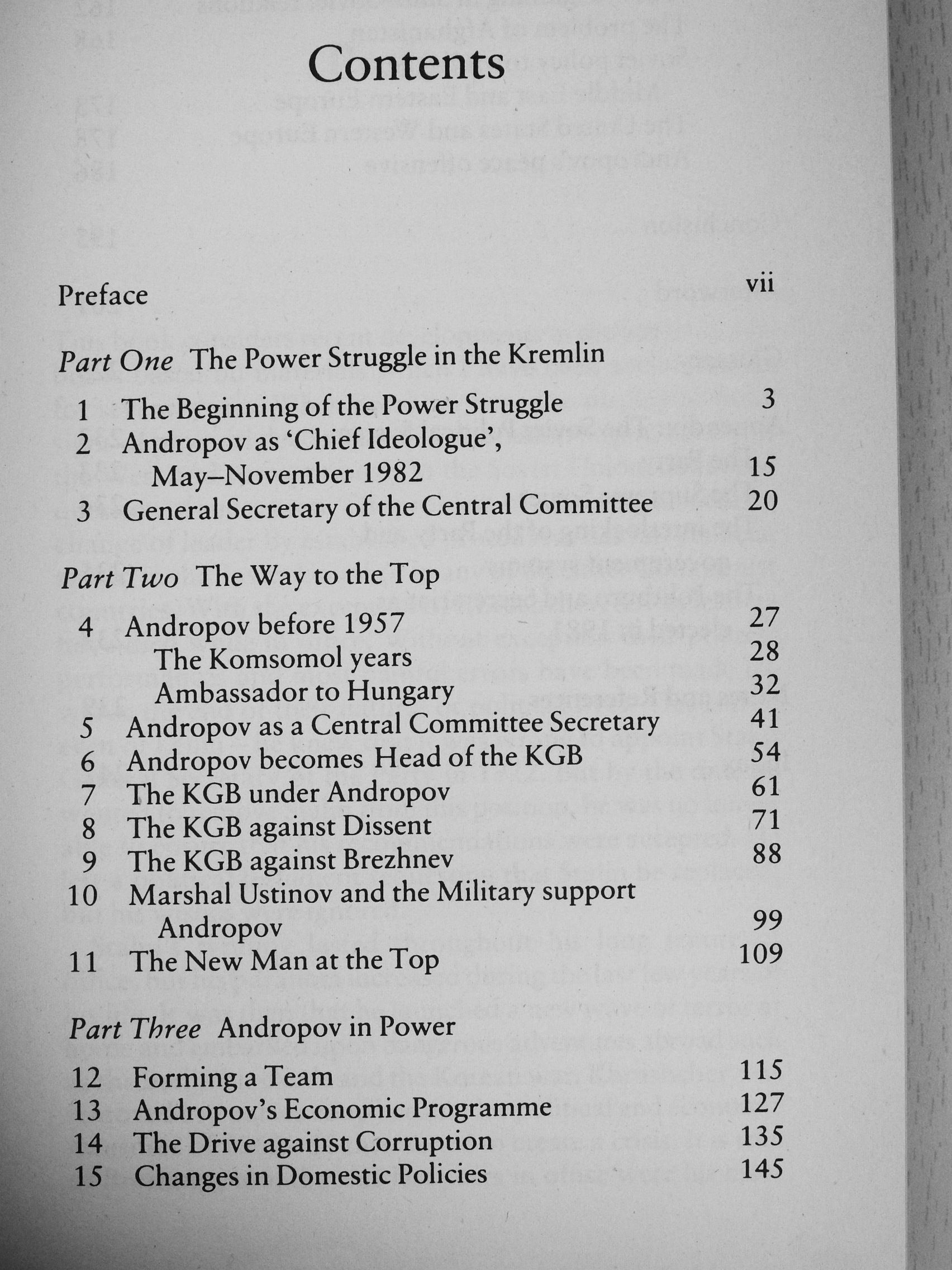

Preface
This book considers recent developments in the Soviet Union but is based on materials which I have been accumulating for several years. When Brezhnev began to display obvious signs of physical decline in 1975 discussion began, openly in the West and surreptitiously in the Soviet Union, about the question of succession. The problem of achieving an orderly change of leader by established procedures has not yet been solved in the Soviet Union or in any of the other Communist countries. With the exception of Khrushchev, Soviet leaders...
online ár:
Webáruházunkban a termékek mellett feltüntetett fekete színű online ár csak internetes megrendelés esetén érvényes.
6980 Ft

Részletesen erről a termékről
Bővebb ismertető
Preface
This book considers recent developments in the Soviet Union but is based on materials which I have been accumulating for several years. When Brezhnev began to display obvious signs of physical decline in 1975 discussion began, openly in the West and surreptitiously in the Soviet Union, about the question of succession. The problem of achieving an orderly change of leader by established procedures has not yet been solved in the Soviet Union or in any of the other Communist countries. With the exception of Khrushchev, Soviet leaders have died while in office. Without exception their poorest performances and most painful errors have been made towards the end of their natural or political lives. This is true even of Lenin — he knew that it was wrong to appoint Stalin General Secretary of the Party in 1922. But by the time he wanted to remove Stalin from this position, he was no longer able to ensure that his recommendations were accepted. He left a political testament requesting that Stalin be replaced, but his wishes were ignored.
Stalin's tyranny lasted throughout his long tenure of office, but his paranoia increased during the last few years of his life. It was then that he launched a new wave of terror at home and embarked upon dangerous adventures abroad such as the Berlin blockade and the Korean war. Khrushchev was removed in a palace coup because his political and economic measures of 1962-64 threatened to create a crisis. It is true of Brezhnev, too, that his last years in office were his most
Termékadatok
Cím: Andropov [antikvár]
Szerző:
Zhores A. Medvedev
Kiadó: Penguin Books Ltd
Kötés: Ragasztott papírkötés
ISBN: 0140073167
Méret: 130 mm x 200 mm
Új vásárló vagyok!
új vásárlóval indíthatsz rendelést............