


kategória
szerző
cím
sorozat
betöltés...
kiadó
betöltés...
ISBN
évszám
ár
-
leírás
Előrendelhető
A mezők bármelyike illeszkedjen
A mezők mind illeszkedjen


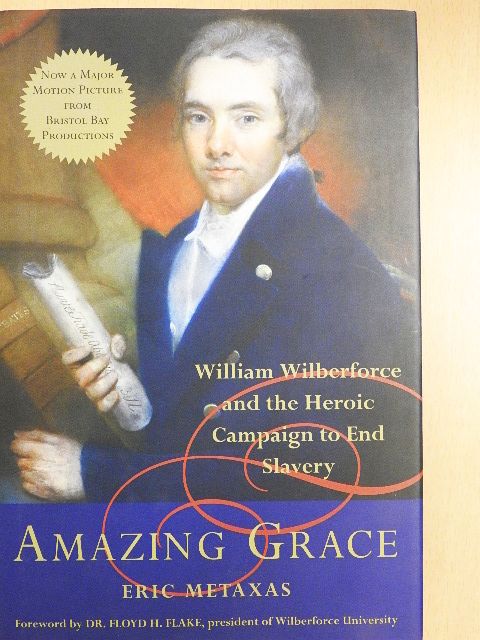

FOREWORD
History's landscape is littered with great people whose names have disappeared from the rolls of our collective memory. Such has been the unfortunate fate that befell the heroic William Wilberforce. Wilberforce—humanitarian, parliamentarian, and voice of the voiceless—fatefully receded somewhere into the far-off memory of Americans over the past century. Wilberforce and his name once stood as monuments to freedom, faith, and humanity. Were Abraham Lincoln and Frederick Douglass to cite their sources of inspiration, Wilberforce...
online ár:
Webáruházunkban a termékek mellett feltüntetett fekete színű online ár csak internetes megrendelés esetén érvényes.
4980 Ft

Részletesen erről a termékről
Bővebb ismertető
FOREWORD
History's landscape is littered with great people whose names have disappeared from the rolls of our collective memory. Such has been the unfortunate fate that befell the heroic William Wilberforce. Wilberforce—humanitarian, parliamentarian, and voice of the voiceless—fatefully receded somewhere into the far-off memory of Americans over the past century. Wilberforce and his name once stood as monuments to freedom, faith, and humanity. Were Abraham Lincoln and Frederick Douglass to cite their sources of inspiration, Wilberforce would be high, if not first, on their lists. Today, that memory is resurrected in this magnificent book.
Eric Metaxas's work will stand as a living landmark not so much for its obviously beautiful prose and detailed narrative of the life of Wilberforce, but because it artfully captures the essence of a spiritual strength, moral clarity, human frailty, and divine purpose that dwelled among men at the end of the eighteenth century and beginning of the nineteenth. Bold men and women, Wilberforce first among equals, challenged the prevailing currents of their time to eradicate the scourge of the slave trade. Ultimately, their strategies, defeats, and victories "mounted up with wings like eagles" to call attention to slavery as more than just a "peculiar institution." In Wilberforce's mind, there was nothing peculiar about slavery. Peculiar to him was the ability of so many refined and seemingly polite members of society to stomach slavery's bile and to turn a deaf ear to the cries of millions. To Wilberforce, slavery and other civil ills were forces that destroyed life and its viability. As a result of his courage and efforts, freedom's bell was rung for millions and the thirst for liberty has continued to echo throughout history.
William Wilberforce's courage, zeal, and actions as recounted in this biography are a modern reminder of work unfinished. That he suffered from poor health likewise reminds that even in the context
Termékadatok
Cím: Amazing Grace [antikvár]
Szerző:
Eric Metaxas
Kiadó: HarperSanFrancisco
Kötés: Fűzött keménykötés
ISBN: 9780061173004
Méret: 160 mm x 240 mm
Új vásárló vagyok!
új vásárlóval indíthatsz rendelést............