


kategória
szerző
cím
sorozat
betöltés...
kiadó
betöltés...
ISBN
évszám
ár
-
leírás
Előrendelhető
A mezők bármelyike illeszkedjen
A mezők mind illeszkedjen


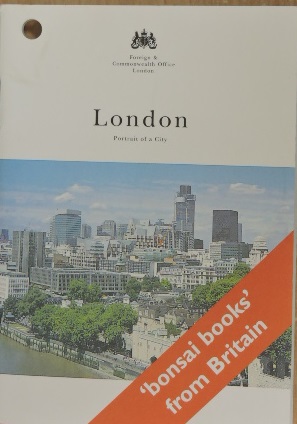

IntroductionCovering 1,580 sq km, London is the largest conurbation in Europe. Nearly seven million people live in London, and a further million travel in each dav to work. Their city is both the capital of Britain and a major economic centre. London's gross domestic product in 1993 was L80 billion, accounting for 15 per cent of Britain's GDP. It is also one of the world's three great centres of international finance (alongside New York and Tokyo).London's economy benefits from its favourable location as a sheltered port facing across the...
online ár:
Webáruházunkban a termékek mellett feltüntetett fekete színű online ár csak internetes megrendelés esetén érvényes.
1740 Ft

Részletesen erről a termékről
Bővebb ismertető
IntroductionCovering 1,580 sq km, London is the largest conurbation in Europe. Nearly seven million people live in London, and a further million travel in each dav to work. Their city is both the capital of Britain and a major economic centre. London's gross domestic product in 1993 was L80 billion, accounting for 15 per cent of Britain's GDP. It is also one of the world's three great centres of international finance (alongside New York and Tokyo).London's economy benefits from its favourable location as a sheltered port facing across the North Sea to mainland Europe. Excellent communications give access to markets both inland and abroad. A third of the European Union's population, 115 million people, are within a dav's freight travel by road from London. And London has a network of direct scheduled international air routes to 251 destinations.A city of contrasts, London's urban sprawl is punctuated by park land and commons, not just on its fringes but right in the centre. It contains a mixture of the old and new; the skyline of the City, once outlined bv church spires and Wren's great cathedral of St Paul, now also features office blocks from the post-war era. In Docklands the nineteenth century warehouses and wharves, many of which have been converted into high-quality offices or apartments, contrast with new developments, such as One Canada Square .it Canary Wharf which, at 244 metres, is the tallest office building in Europe. And as a great trading city London has long drawn people from across the world to live and work there. Over one million of London's residents weir born outside Britain. The resulting cosmopolitan mix contributes to tin-diversity of London's arts, culture and entertainments aiul the vitality of London life.
Új vásárló vagyok!
új vásárlóval indíthatsz rendelést............