


kategória
szerző
cím
sorozat
betöltés...
kiadó
betöltés...
ISBN
évszám
ár
-
leírás
Előrendelhető
A mezők bármelyike illeszkedjen
A mezők mind illeszkedjen


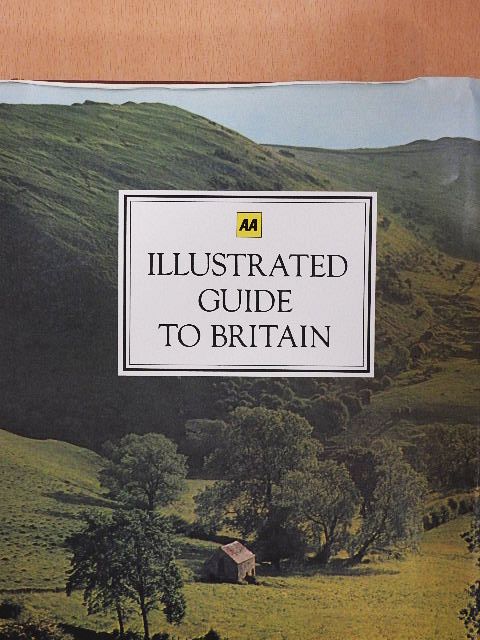
Illustrated Guide to Britain [antikvár]
Gerald Barry, John Arlott, Max Caulfield, Patrick Bailey

THE MAKING OF BRITAIN
THIS PATCHWORK LAND
No country in the world is richer than Britain in its patchwork of natural beauty. It is a patchwork förmed by the play of light and shade upon a landscape; by the tone which lichen and moss can give to stonework; by the piacing of a church or a barn; and by the memories which have been stitched into this fabric of rivers and hills, forests and plains, marshes and coasts.
Even the British weather, changeable as it is in this sea-girt country, can be an ally. A wet and windy day is a day, above...
online ár:
Webáruházunkban a termékek mellett feltüntetett fekete színű online ár csak internetes megrendelés esetén érvényes.
6280 Ft

Részletesen erről a termékről
Bővebb ismertető
THE MAKING OF BRITAIN
THIS PATCHWORK LAND
No country in the world is richer than Britain in its patchwork of natural beauty. It is a patchwork förmed by the play of light and shade upon a landscape; by the tone which lichen and moss can give to stonework; by the piacing of a church or a barn; and by the memories which have been stitched into this fabric of rivers and hills, forests and plains, marshes and coasts.
Even the British weather, changeable as it is in this sea-girt country, can be an ally. A wet and windy day is a day, above all others, to visit the Cambridgeshire Fens. The trees are permanently bent inland from the force of the wind, dramatic and dripping like clumps of witches' broomsticks. Wildfowl skitter over the marshes, and dikes stream away in straight lines as far as the eye can see. The landscape seems to stretch on flatly towards the end of the earth; and indeed there is little ground higher than this until the Steppes begin to slope up-wards near Moscow, 1400 miles to the east.
Another experience for a wild and rainy day is to watch the Atlantic Ocean smashing in full force against the headlands of the Cornish coast.
From music-hall to Román Wall
As with the weather, so with the land: there are endless surprises in this patchwork country. Few think of our time-blackened northern cities as centres for tourism, but a city such as Newcastle upon Tyne well repays a visit. From the Tyne Quay there is a dramatic view of buses, looking like tiny yellow beetles, Crossing the bridges that are ranged one after another high in the air over the great Canyon of the river. The city's Georgián terraces are as impressive as anything in Bath, and genuine Victorian music-hall is still performed at Balmbra's. Within a few miles of the centre of Newcastle upon Tyne is the start of Hadrian's Wall, which climbs and dips its way across the most magnificently unspoilt tract of land in England.
Even the grandeur of the Román Wall country is surpassed in the west of Scotland. The famous 'Road to the Isles' from Fort
William to Mallaig has mountains on either side, lochs every few miles, and deer rummaging below the scree. There are white sands at Morar, trawlers and oilskins in Mallaig and fabulous sunsets over Rhum. The area is rich in history as well, in the story of Bonnié Prince Charlie, who stepped into a French boát from this coast and left Scotland never to return.
Variety is the key to the abiding fascination of Britain. On a journey from London to the South-West, the landscape changes from the suburban neatness of the Home Counties to the charm of Hampshire, from the sweeping uplands of Wiltshire to the fiat lands of Somerset, and finally to the haunted moors and bubbling river valleys of Devon. Along the route are fascinating places to explore at leisure: Winchester, where Alfréd the Great had his capital; the mysterious Bronzé Age sanctuary of Stonehenge; the plain of Sedgemoor, scene of the bloody battle in which the Duke of Monmouth's rebellion was crushed in 1685; Clouds Hill, where Lawrence of Arabia lived; and Buckfast Abbey, where the monks make their enormous vats of tonic wine:
Such varied scenes as these are to be found on a journey through Britain in practically any direction. At Tudeley in Kent is the only stained-glass window the French painter Marc Chagall ever designed in Britain. On the River Teifi in Wales there are men still using coracles. The first glimpse from the limestone floor of Ribblesdale, in North Yorkshire, of Pen-y-ghent and Ingleborough towering in the heavens is not easily forgottén; the temptation to follow a pipe band skirling down Princes Street during the Edinburgh Festival is hard to resist. Cobbled Durham City has its Miners' Gala in July, loud with the oom-pah of brass bands; by contrast, few places compare in tranquillity with Blythburgh Church in Suffolk, all whitewashed inside, or with the view over the estuary from Dylan Thomas's home at Laug-harne in Dyfed, where the sands gleam silver, the tide fingers its way inland, and the gulls come to be lonely.
Termékadatok
Cím: Illustrated Guide to Britain [antikvár]
Kiadó: Drive Publications Limited
Kötés: Félvászon
Méret: 220 mm x 260 mm
Új vásárló vagyok!
új vásárlóval indíthatsz rendelést............